
CHRISTIAN INTERPRETER TRAINING

The Christian Interpreter Training Program at SIBI equips hearing students to serve effectively in Deaf ministries. Whether your goal is to interpret worship services, preach in ASL, or simply connect with Deaf members in your congregation, this program provides the training you need for meaningful service.
You’ll start with the fundamentals of American Sign Language, building a strong foundation in vocabulary and grammar. Then, you’ll move into practical interpreting experience through in-class exercises, practice sessions, and personalized feedback. Along the way, you’ll gain valuable insight into Deaf culture, learning to serve with understanding, respect, and compassion.
This two-year Extended Studies program includes eight courses. Year one focuses on ASL basics, with classes offered daily at 7:30 a.m. or online for flexibility. Year two emphasizes Deaf culture and ministry applications, preparing you to interpret worship, teach, and minister effectively. Both years can be completed on campus or online, making the program accessible wherever you are.
Our goal is to help you become a confident, competent ASL user equipped to serve both the Lord and the Deaf community. If you have a heart for Deaf ministry, SIBI will walk alongside you every step of the way.
For more information, contact Rebecca Shelt at aslteacher@sunset.bible.
LEVEL 1: AMERICAN SIGN LANGUAGE
LEVEL 2: EMPHASIS CLASSES
-
This is an entry-level American Sign Language course that covers the first half of A Basic Course in American Sign Language, 2nd ed., by Tom Humphries, Carol Padden, and Terrence J. O’Rourke. This course builds students’ vocabulary while teaching important grammatical features.
-
Students cover the second half of A Basic Course in American Sign Language, 2nd ed. This course provides students with basic conversational skills in ASL.
-
Students focus on ASL vocabulary prevalent in religious settings. Students learn and practice the art of interpreting hymns, scriptures, and devotional thoughts. This course culminates with students interpreting a song or verse during SIBI chapel.
-
Students watch videos of ASL storytelling. These videos demonstrate different aspects of effective ASL storytelling. Students then apply the various storytelling skills taught in class as they create their own stories. Students also practice their receptive skills while voicing for Deaf storytellers.
-
Students are taught how to interpret English idioms into appropriate ASL equivalents. They learn hundreds of ASL idioms unique to the Deaf community.
-
Students learn vocabulary specific to the various fields in which they may be required to interpret. They learn to tailor their interpreting styles to match the tenor of each setting. Interpreting assignments help to solidify new information presented in class.
-
This course focuses on a historical overview of the American Deaf community and its evolving culture, showing that deafness is a culture and not a disability. It also gives an overview of ethics for Christian Deaf Interpreters.
-
This course follows some foundational concepts from Willard J. Madsen’s textbook Conversational Sign Language. It also helps students incorporate a range of interpreting themes.
DEAF MINISTRY FACULTY/STAFF
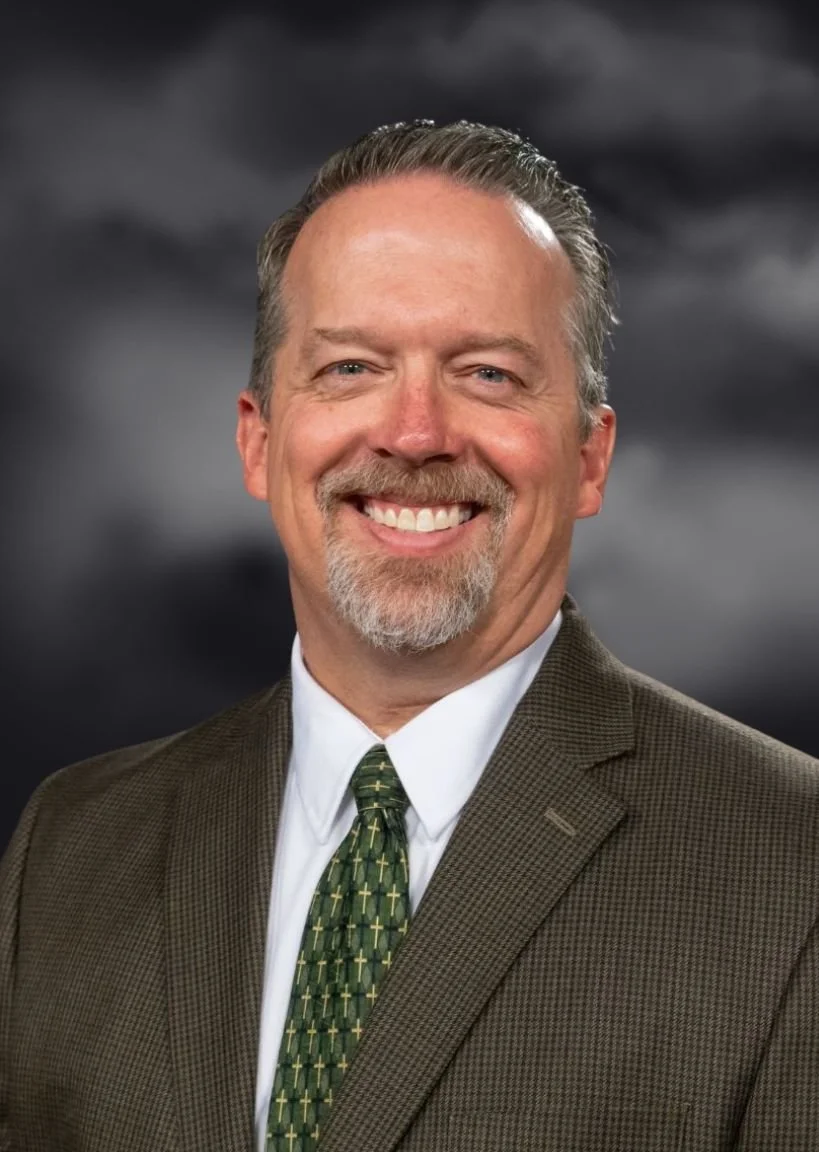
MARK LOWENSTEIN
Deaf Ministry

REBECCA SHELT
Interpreter Training

JANA SUDDATH
Deaf Ministry

DENNIS WILSON
Director of Deaf Ministry Training